

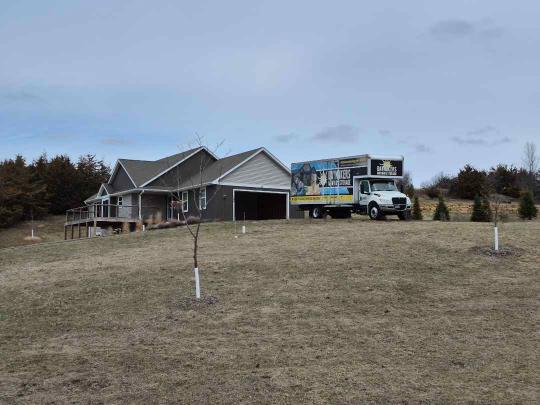
A move out of Minnesota involves more planning than a local relocation across the Twin Cities. An experienced moving company in Roseville, MN, can help you sort through pricing, delivery timing, packing standards, and storage needs before anything is loaded onto a truck. That matters because long-distance moves involve more moving parts, more paperwork, and a greater risk of costly mistakes if the process is not clear from the start. Knowing how interstate moving works helps you ask better questions before you commit.
How Long-Distance Moving Is Priced And Why It Is Different From Local
Local moves are usually billed by the hour. The crew arrives, loads the home, drives to the new address, and the cost reflects time, crew size, and truck use. Long-distance moving works differently. Interstate pricing is usually based on shipment weight or volume, together with the distance to the destination.
This is why a quick phone quote is often not enough for a long-distance move. The real cost depends on what is actually being transported, not just the number of bedrooms in the house. You should also ask whether the estimate is binding or non-binding. A binding estimate provides greater price certainty, while a non-binding estimate may change once the shipment is fully loaded and measured.
The Timeline For A Long-Distance Move From Roseville
A long-distance move usually needs more lead time than people expect. For many households, six to twelve weeks is a safer planning window. That gives enough time for the walkthrough, quote approval, scheduling, packing, and any storage arrangements if your move-out and move-in dates do not line up. Waiting too long can leave you with fewer date options and tighter delivery windows.
Delivery timing also works differently than it does on a local move. A same-day unload is usually not realistic once you are crossing state lines. The truck may be routed differently depending on the destination and shipment size, so you should ask for a clear delivery window before booking. This becomes even more important during the busy season from April through August, when schedules fill quickly.
What The Long-Distance Move Process Actually Looks Like
A proper long-distance move should start with a real walkthrough, either in person or by live video. That is when the mover checks the rooms, furniture, specialty items, and anything that may affect weight, handling, or timing. From there, the pickup date and the expected delivery window are confirmed. If packing services are part of the job, those details should be settled before moving week begins.
Communication matters throughout the process. You should know what happens before pickup, what to expect during transit, and when delivery is expected. A move across state lines feels easier to manage when the process is clearly explained and handled in a single coordinated plan. That is especially true for homeowners leaving Roseville for another part of the Midwest or for a longer cross-country relocation.
Local Vs. National Moving Companies For A Long-Distance Move
Many homeowners assume a national moving brand is automatically the safer choice for long-distance moves. That is not always true. Some large companies rely on subcontractors, which means the crew that loads your belongings may not be the same team that delivers them. That can create inconsistency in communication and service quality from one stage of the move to the next.
A smaller company can still handle long-distance work well if it uses its own trained crews and manages the move directly. The important question is not the size of the brand name. It is whether the same company stays responsible for the shipment from pickup through delivery. That direct accountability usually makes the move easier to follow and easier to trust.
Packing For A Long-Distance Move: What Is Different
Packing for an interstate move requires more care than packing for a short local drive. Boxes may be in transit for several days, and their contents may undergo more handling than on a local job. Fragile items that might survive a short move with light packing often need stronger protection for a longer route. That is why packing quality matters so much more as trips get longer.
If you are packing on your own, fragile items should be wrapped thoroughly, and electronics should stay in their original boxes when possible. Boxes should be labeled by destination room, not only by contents, so unloading is easier at the new address. If you want the mover to handle packing, make sure the materials and the scope of service are clearly included in the estimate. A long-distance move usually goes more smoothly when the packing is built for the full route, not just for loading day.
When You Need Storage For A Long-Distance Move
Storage is common on interstate moves, especially when the closing or lease dates do not align neatly. A new build may not be ready, a sale may close later than planned, or the destination home may still be in transition when you need to leave Roseville. In those cases, storage is not an extra convenience. It becomes part of the move itself.
Climate-controlled storage is usually the better choice for items such as wood furniture, electronics, antiques, and upholstered pieces. Minnesota weather alone makes stable temperature and humidity important, especially if the storage period lasts longer than expected. When storage and moving are coordinated under a single plan, the process is simpler than managing multiple providers during an already complicated relocation.
What To Know About Specialty Items On A Long-Distance Move
Specialty items should be mentioned before the estimate is finalized. Pianos, gun safes, heavy safes, antiques, and other oversized or delicate pieces affect equipment needs, handling time, and pricing. These items are not the kind of thing a mover should discover for the first time on moving day. They need to be part of the original plan.
This matters because not every long-distance mover handles specialty pieces the same way. Some may not move certain items at all, while others do so only with added preparation. If you have something large, fragile, or unusually heavy, bring it up during the walkthrough. A clear answer early is much better than a problem at pickup.
Your Rights As A Long-Distance Moving Customer
Interstate movers in Eau Claire Wi are regulated by the Federal Motor Carrier Safety Administration, or FMCSA. That means they are required to follow federal rules on estimates, claims, and customer rights. Before the move, you should receive information explaining those protections and how the process works if there is a dispute or a damage claim. If a company cannot explain that clearly, take it seriously.
One of the most important documents in the move is the bill of lading. This is the official contract for the shipment and includes the inventory, agreed pricing, pickup and delivery terms, and liability information. Keep a copy until the move is fully completed and everything has been delivered. On a long-distance move, good paperwork is part of protecting yourself.
Related Topics:
