

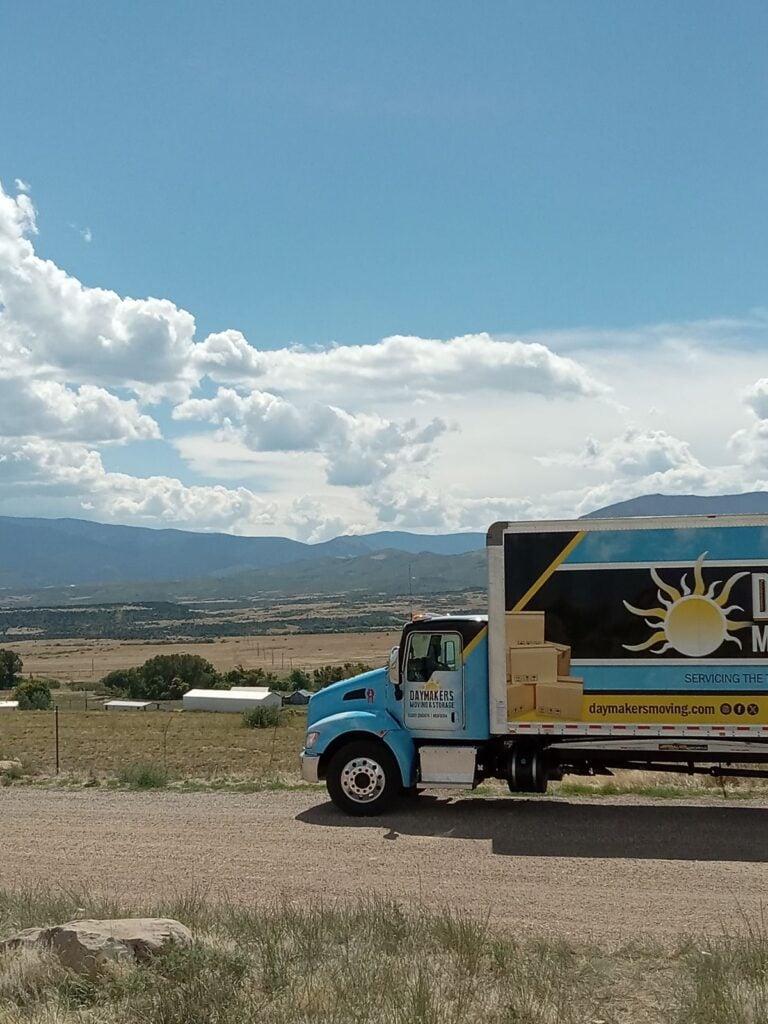
The process of relocating from Bloomington, MN, to another state includes a lot more than packing up your things and driving to your new house. If you are using an interstate moving company in Bloomington, MN, you will need to have some important documentation to help define the relocation process, outline its content, and provide liability coverage for any mishaps.
The goal is simple: you should understand what you are signing before the crew starts loading. Long-distance moves carry more details than local moves, and the paperwork helps keep everything clear.
Why Long-Distance Moves Involve More Documentation Than Local Ones
A local move within Bloomington usually stays within Minnesota. The crew loads your belongings, drives across the metro, unloads, and the contract is fairly simple.
A move that crosses a state line is different. It involves longer travel, wider delivery windows, federal requirements, and more detailed records. The documents create a clear account of what was picked up, what condition it was in, what was promised, and what happens if there is damage or loss.
Our long-distance moving services from Bloomington are built around:
- Private trucks
- Real-time tracking
- Clear documentation
- Written move details
- No co-mingling with another customer’s shipment
The Bill of Lading: The Document That Governs Your Move
The Bill of Lading is the key document in your interstate relocation process. It represents a contract between you and the moving company.
The Bill of Lading contains:
- Pick-up address
- Delivery address
- Terms of relocation
- Cost estimate/quoted price
- Terms of payment
- Contact information for the carrier
- Delivery information
You will be provided with the Bill of Lading prior to the start of packing. Make sure to review it carefully before signing. If there are any discrepancies between the estimate/walk-through, make sure to resolve them prior to loading the truck.
Once the truck leaves with your belongings, the Bill of Lading controls the move. Keep your copy with you, not inside a box on the truck.
The Inventory List: Your Record of What Is on the Truck
The inventory sheet is a comprehensive listing of all of the items being loaded in the truck. The household goods descriptive inventory may be another name for it.
This inventory sheet includes the list of furniture, boxes, and all the rest of your belongings. The condition of your items when they were picked up is also included in this inventory sheet.
On delivery, you can use the inventory sheet to check whether everything has been delivered to you. If one of your items has been delivered but it has been damaged while the condition was marked as undamaged during pick-up, then you can claim the damage from the company with this record.
Our team makes sure that the inventory is correct at the time of pick-up.
Valuation Coverage: Know Your Protection Choices
Interstate moves come with different types of valuation coverage. It is not like the third-party insurance; however, it will determine how compensation can be made in case of loss or damage during transit.
Normally, there are two basic choices available:
- Released Value Protection
This type comes free of charge. It is a low level of protection offered on the basis of a low rate per pound per item. - Full Value Protection
This type offers a higher level of protection. The carrier will pay for repairs or replacement of the market value of the items that have been lost or damaged. This coverage is normally paid separately.
You should always inquire about which one applies to your move. When you have valuable furniture, electronic items, or precious belongings, this becomes important.
What to Keep With You, Not on the Truck
Some items should stay with you during an interstate move. Even with careful planning, delivery timing can vary, and you may need access to certain documents before the truck arrives.
Keep these with you:
- Social security card
- Passport
- Birth certificate
- Banking records
- Medical records
- Prescription medications
- Bill of Lading
- Inventory list
- Jewelry
- Irreplaceable personal items
- Sentimental items
- Documents needed at the new address
Do not pack these items in boxes that go on the moving truck. Keep them in your personal vehicle or travel bag.
What to Confirm With Us Before Moving Day
Before the truck arrives for your long-distance move from Bloomington, confirm a few details in writing.
Ask about:
- Pickup date
- Delivery window
- Delivery address
- Delivery contact person
- Payment terms
- Valuation coverage
- Tracking options
- Private truck details
- Any items that need special handling
Long-distance moves do not always arrive the day after pickup. A delivery window is common, so it is better to know that schedule before moving day.
On our Bloomington long-distance moves, your belongings travel on a dedicated truck from pickup to delivery. They are not mixed with another customer’s shipment, and they are not handed off to an outside carrier.
Why Clear Paperwork Matters
Paperwork is not just a formality during an interstate move. It protects both the customer and the moving company by putting the move details in writing.
The Bill of Lading confirms the agreement. The inventory list confirms what was loaded. Valuation coverage explains your protection options. Written delivery details help everyone stay aligned from pickup through final delivery.
A smooth interstate move starts before the truck is loaded. When the paperwork is clear, you know what to expect and have the records you need throughout the move.
Related Topics:
