

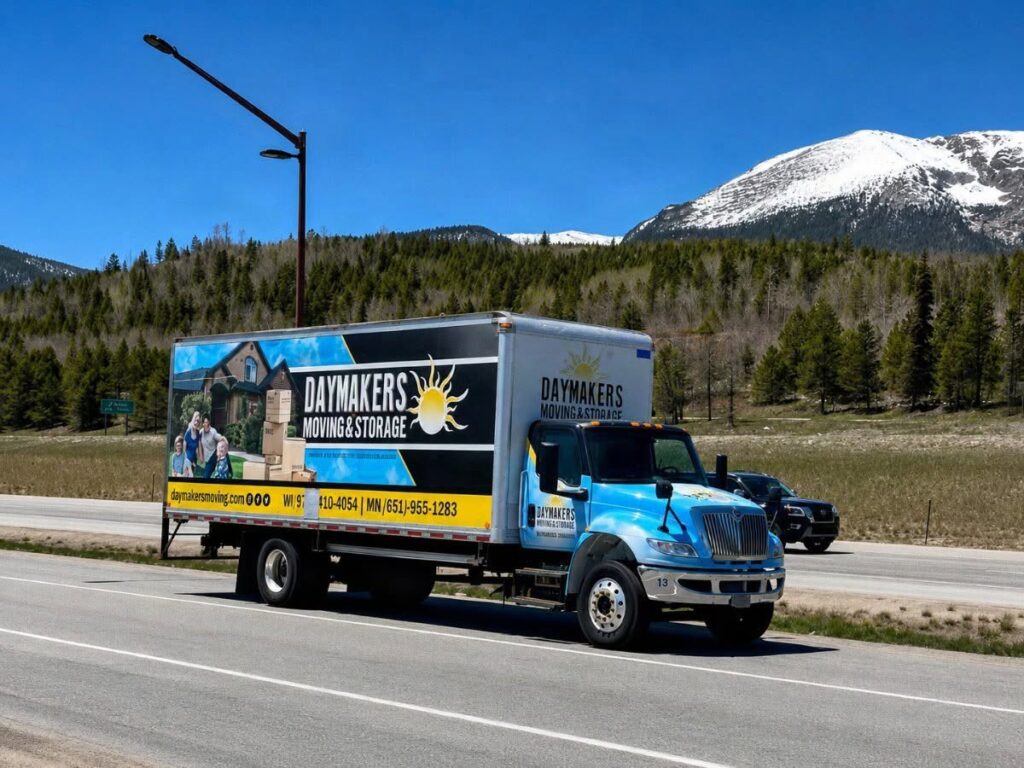
A long-distance move is a different animal than a move across town. There’s more planning involved, more variables to account for, and usually more nerves about whether everything will actually show up in one piece.
As the top moving company, we’ve walked hundreds of households through this process, so here’s exactly how we structure a long-distance move from Eau Claire, whether you’re headed to the Minneapolis-St. Paul area or somewhere further out.
Step 1: Setting Your Timeline and Getting a Walkthrough Estimate
Everything starts with your closing date, lease end date, or job start date, and we work backward from there. Once we know your target dates, we schedule a walkthrough, either in person or over live video, to see exactly what’s being moved.
This is what allows us to give you a flat-rate estimate instead of a low number that changes once the truck is loaded. For long-distance moves especially, this step matters since there are more moving parts than a local job, and a real walkthrough catches things a phone estimate would miss.
We recommend booking a few weeks out when possible, particularly during busier months, though we understand that’s not always realistic given how job relocations and closing dates tend to work. During the walkthrough itself, we’re not just counting boxes.
We’re looking at furniture dimensions, stairs and doorway widths at both ends if you know them and anything that might need extra time or a different approach than a standard household move.
Step 2: Deciding What to Pack Yourself vs. What We Pack
Full-service packing covers everything from kitchen dishware to closet contents to artwork, but you don’t have to hand over all of it. Plenty of our customers pack personal or sentimental items themselves and let our crew handle furniture, the kitchen, and anything bulky or awkward to carry. Either approach is fine, as long as we know your preference during the walkthrough so it’s built into your estimate rather than figured out last minute.
For a long-distance move, packing services are worth it to let us handle more than you might on a local move. Items spend more time in transit and need to be secured for a longer drive. A box that holds up fine on a twenty-minute drive across Eau Claire can come apart differently after several hundred miles on the highway. Our packing materials and methods account for that extra distance, just so nothing gets treated the same way regardless of how far it is actually going.

If you do want to pack some of it yourself, plan to start earlier than you would for a local move. Between sorting through belongings, deciding what makes the trip and what doesn’t, and getting everything boxed properly, most households find they need more lead time for a long-distance move than they initially expect.
Step 3: Preparing Specialty and Oversized Items
If you own a piano, a gun safe, a pool table, or anything else that needs specific handling, this is the step where it gets planned for. Our crews are trained for the weight, balance, and disassembly these items require, and we schedule the right equipment ahead of time once you’ve flagged them.
Skipping this step is one of the more common mistakes people make on long-distance moves, since these items need more preparation than a standard bedroom set, and a crew that isn’t expecting them is more likely to run into trouble.
This step also covers anything with an unusual shape or fragility that doesn’t fit neatly into a standard box, like artwork, large mirrors, or exercise equipment. The more specific you can be about these items during your walkthrough, the more accurately we can plan for the equipment, packing materials, and time each one needs.
Step 4: What Happens on Moving Day
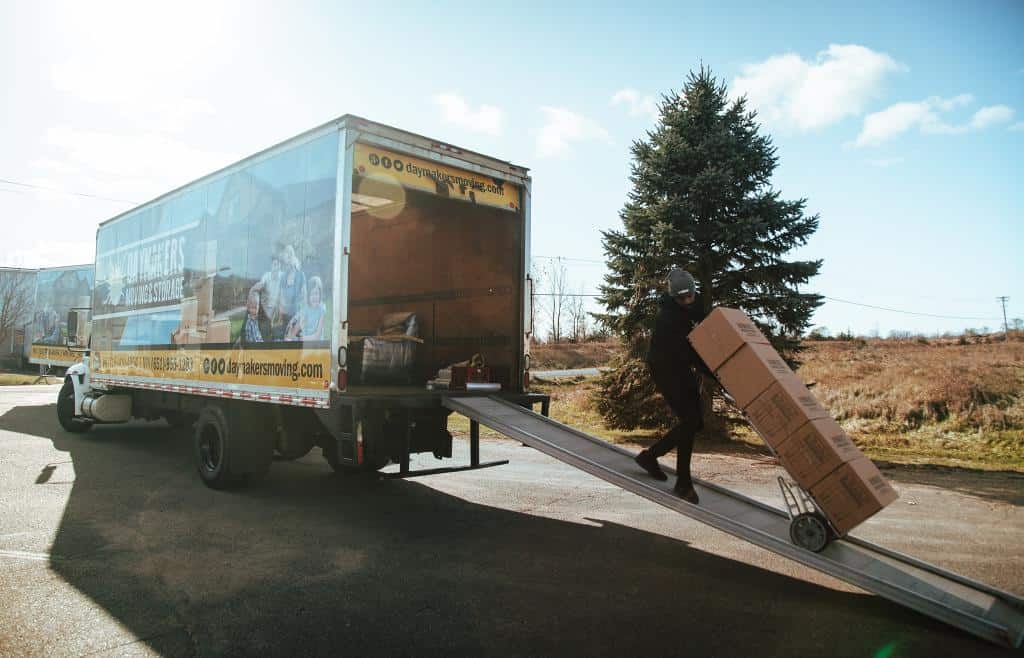
On loading day, fragile and high-value items are packed and loaded last, closest to the truck doors, so they’re not buried under heavier furniture. Everything gets secured with straps for the drive. Because this is a long-distance move, loading day and delivery day typically aren’t the same day, so we’ll walk you through the expected delivery window before anything gets loaded, based on the distance and route involved.
Throughout the process, you’ll have a single point of contact, so if a question comes up mid-move, you’re not stuck trying to track down whoever happens to be driving that day. That single point of contact also means you’re not repeating the same details to three different people, once at booking, once at pickup, and once at delivery, which is a common frustration with movers that use separate crews for different stages of the job.
Step 5: Delivery and Settling Into Your New Home
Once your shipment arrives, our crew unloads and, if you’ve booked unpacking, sets up your new space based on how you’d like rooms organized. A same-day or next-day unpack can make an unfamiliar house feel functional far faster than working through boxes on your own over several weeks.
If your new home isn’t quite ready when your belongings arrive, climate-controlled storage can bridge that gap, keeping items at a stable temperature and humidity level until you’re ready for a second delivery date. This comes up fairly often with families who close on their old home before their new one is finished, or with a job relocation that has a firm start date but a looser move-in date.
What Makes Long-Distance Moving Different From a Local Move
A few things separate local vs long-distance moving beyond just the miles between Point A and Point B. Understanding these differences upfront helps set realistic expectations for your own move, rather than assuming a long-distance relocation will feel the same as moving across town, just with a longer drive.
Key Differences to Know:
- Pricing works differently. Instead of an hourly rate, long-distance jobs are based on the weight of your shipment and how far it is traveling, which is part of why a proper walkthrough matters so much more here.
- Timing is a bit looser. A delivery window, not a same-day guarantee, is pretty standard for interstate moves.
- Communication becomes more important. Since you won’t just be able to walk outside and ask the crew a question the way you could during a local move wrapping up in a single day.
Long-distance moving comes with more moving parts than a local job, which is exactly why we build our process around a flat-rate estimate, our own crews, and a single point of contact throughout. That structure is backed by more than 800 verified five-star reviews on our own site, along with BBB accreditation and recognition as an Inc. 5000 honoree, proof we’d rather stand behind than adjectives.
For more on how we structure interstate and out-of-state moves specifically, our long-distance movers page goes into further detail, and our storage page covers options if your timeline needs a gap bridged between homes. Whether you’re relocating for a new job, following family, or simply ready for a change of scenery outside Eau Claire, the same five steps apply regardless of your destination.
You can also request a free walkthrough and flat-rate estimate through our free quote page whenever you’re ready to start planning.
