

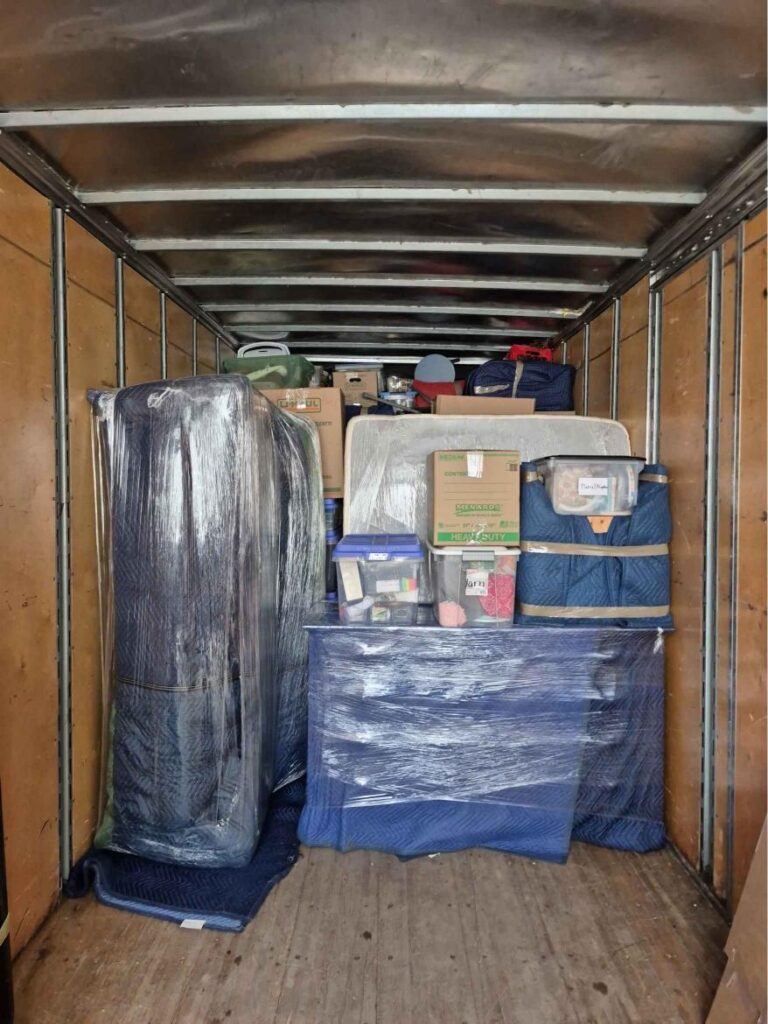
Broken items after a move usually stem from a few common problems. The item was packed in the wrong box, there was not enough cushioning, or it was packed in a way that could not handle carrying, stacking, or transporting. Protective packing services can help prevent that, but even if you are packing on your own, the right method makes a big difference. In Hudson, WI, a little extra care before moving day usually saves a lot of frustration after it.
Start With the Right Boxes
The box matters just as much as the wrapping inside it. Fragile items need boxes that fit well, hold their weight, and remain structurally sound when lifted and stacked. A glass item packed loosely in an oversized box has room to shift and crack. A heavy, fragile item in a weak box can break through the bottom before it even reaches the truck.
Use small boxes for heavier breakables such as dishes and dense kitchen items. Medium boxes are better for lighter, fragile pieces that still need support. Large boxes should be reserved for lighter, bulkier items, not for glass or ceramic items. Stronger boxes, especially double-wall boxes, are often worth using for anything valuable or hard to replace.
How to Pack Dishes
Dishes are often packed the wrong way. Stacking them flat seems natural, but it usually puts too much pressure on the bottom pieces once the box starts moving. Plates and bowls hold up better when they are packed vertically on their edges. That position distributes the pressure more evenly and reduces the risk of cracking during the process.
Each piece should be wrapped individually before being placed in the box. the box. Packing paper works well, and extra crumpled paper can be used between items and around the edges to stop movement. Once everything is inside, the box should feel full and stable without being overstuffed. Fragile labels help, but good packing inside the box is what really protects the dishes.
How to Pack Glasses and Stemware
Glassware needs more separation than most people expect. Each glass should be wrapped individually so it does not make direct contact with the glass beside it. Stemware needs even more attention, as the stem is often the weakest part. Wrapping the stem first, then the full glass, helps protect that narrow section during transport.
These items should be packed upright whenever possible. Empty space inside the box should be filled so nothing tips or shifts when the box is carried. Divider boxes are especially useful for larger glass collections because they give each piece its own section. The less movement there is inside the box, the better the odds that everything arrives intact.
How to Pack Electronics
Electronics need protection from more than impact alone. Screens, circuit boards, and connections can all be affected by pressure, static, and moisture. If you still have the original packaging, it is usually the best option because it’s designed for the item’s exact shape and weight. If not, use sturdy boxes and wrap carefully with materials that cushion without creating extra risk.
Screens should be padded before the item is boxed, and cords should be bundled and labeled clearly. It helps to keep accessories with the device they belong to, rather than mixing everything together in one box. For desktop setups, pack monitors, towers, keyboards, and drives separately rather than forcing them into a single oversized container. A quick photo of the cable setup before unplugging anything can also make reassembly easier later.
How to Pack Artwork and Mirrors
Artwork and mirrors need special attention because damage often occurs first at the edges and corners. Corner protectors help absorb impact, and an extra layer of wrapping around the full piece adds another level of protection. For mirrors and frames with glass, place painter’s tape in an X across the front to help hold shattered pieces together if the glass cracks. It is not a guarantee, but it helps limit how badly things come apart.
These items should be packed upright, not laid flat. Flat placement makes it more likely that the weight will end up on top of the glass or frame. Mirror boxes or art boxes are the best fit when available, especially for larger or more valuable pieces. The safer choice is always the one that keeps pressure off the front surface.
How to Pack Lamps and Light Fixtures
Lamps should be broken down before they are boxed. Bulbs need to be removed and wrapped separately because they are likely to shatter if left in the socket. Lampshades should also be packed on their own, with light wrapping that protects them without crushing the shape. Too much pressure can damage a shade just as easily as too little protection.
Lamp bases usually need sturdier wrapping and a stronger box, especially if they are heavy. A padded base packed upright with enough fill around it will hold up much better in transit. Light fixtures should be handled the same way, with delicate parts removed when possible and wrapped separately. The less strain left on the item during transport, the safer it usually is.
When to Let the Crew Handle It
Some items are worth handing off to professionals from the start. Large antiques, pianos, grandfather clocks, heavy safes, and other specialty pieces often need more than careful wrapping. They may require special equipment, stronger protection, or a crew trained to move that type of item safely. These are the kinds of things that should be mentioned during the estimate, not for the first time on moving day.
Partial packing can also make sense if you want help only with the fragile items. Many people prefer to pack their own books, clothes, and simple household goods, then have the crew handle the kitchen, artwork, electronics, or other breakables. That kind of support can lower stress without turning the whole move into a full pack-out. It is often a good middle ground.
Moving Fragile Items in Hudson, WI
Fragile items need the same attention whether your move is across the Hudson or heading out of state. Good packing is the first layer of protection, and careful handling is the second. If either part is rushed, the risk goes up fast. The safest moves usually start with better preparation, not better luck.
To get a free estimate for your move, including packing services in Hudson, WI, call (715) 410-4054 or request a free moving quote. Daymakers Moving & Storage is located at 588 Schommer Dr., Hudson, WI 54016. Hours are Monday through Friday from 8 a.m. to 5 p.m., Saturday from 8 a.m. to 12 p.m., and Sunday by appointment.
Related Topics:
