

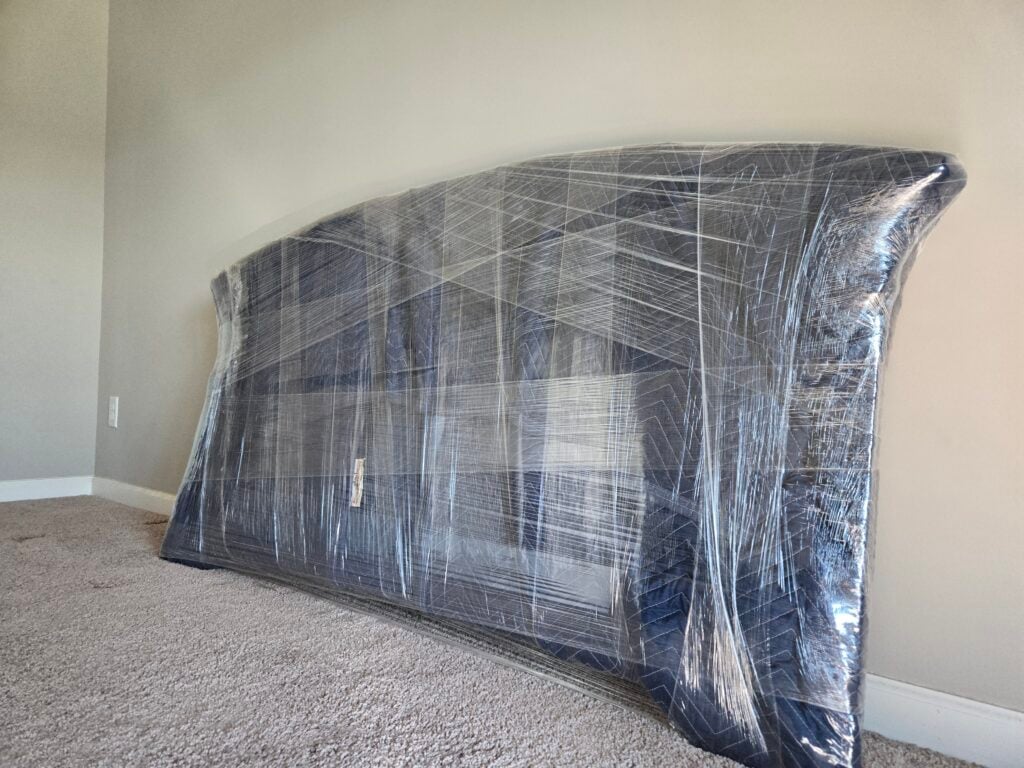
Glass, mirrors, and framed artwork are some of the easiest items to damage during a move. They are also some of the hardest to replace. A cracked antique mirror or damaged painting is not just expensive. In many cases, it cannot be replaced at all.
That is why our packing services in Bloomington, MN treat glass, mirrors, and artwork as their own category. These items need the right materials, the right order of protection, and careful placement on the truck.
Why These Items Require a Different Approach
A moving blanket works well for a dresser, sofa, or table. For a large framed mirror, glass tabletop, or canvas painting, a blanket alone is not enough.
Flat and hard objects may crack on the edges in case of an impact. Glass objects can also get scratches if they come into contact with a rough surface without any barrier between them. Artwork can get damaged due to pressure, dampness, or contact with another object.
Fragile objects usually require:
- Surface protection
- Edge protection
- Protection from impact
- Special packing boxes
- Proper positioning in a moving truck
- “Fragile” stickers
This minimizes the risk of cracking, scratching, puncturing, and impact damage when moving.
How Glass and Mirrors Are Wrapped and Boxed
Large glass items and mirrors start with a protective layer placed directly against the surface. This may be glassine paper or packing paper. That layer helps prevent scratching before any padding is added.
Bubble wrap goes over the paper to cushion the item during loading and transport. Corner protectors are placed on all four corners because corners are the weakest points on flat, rigid items.
Once wrapped, large mirrors and glass panels are placed in specialty mirror boxes or flat-panel boxes. These boxes are designed to keep the item secure and prevent movement inside the box.
During transport, glass and mirrors are usually stood on their edge. This helps reduce stress across the surface and is safer than laying them flat under pressure.
How Framed Artwork Is Packed for a Move
Framed artwork has several possible damage points. The frame can chip, the canvas can tear, the surface can scratch, and the glass fronts can crack.
We start with glassine or acid-free paper on the face of the artwork when the surface could be affected by contact or moisture. For framed pieces with glass fronts, tape may be applied in an X pattern across the glass before wrapping. This does not stop the glass from breaking under a hard impact, but it can help hold pieces together if cracking occurs.
After that, the piece may be:
- Wrapped with cushioning.
- Protected at the corners.
- Placed in a frame box.
- Sandwiched between foam boards.
- Labeled as fragile.
- Loaded in a safe position on the truck.
Large unframed canvases may be wrapped and secured differently depending on size, value, and fragility.
Corner Protection, Cell Boxes, and Specialty Packaging
Standard boxes may not be ideal packaging for fragile pieces. Cell boxes are recommended for small glassware, stemware, and small framed items with cardboard partitions.
Every partition makes a new compartment for one piece. Pieces won’t touch each other during transportation, and that is one of the primary reasons for breakages.
Possible types of specialty packaging:
- Mirror boxes
- Frame boxes
- Cell boxes
- Foam board
- Corner protection
- Glassine paper
- Bubble wrap
- Packaging paper
In case of unusually large and valuable pieces, additional reinforcement may be required for their packaging. Our team considers them at the walkthrough so that necessary supplies can be purchased beforehand.
How Fragile Items Are Handled on the Truck
Good packing only works if fragile items are loaded correctly. A wrapped mirror can still break if it is placed under heavy boxes or allowed to shift during transport.
Our crew loads fragile items after heavy furniture is secured. Glass and mirrors are stood on their edge and placed against a stable surface. Artwork is positioned so it is not crushed, bent, or stacked under weight.
The truck loading process matters because it protects the packing work that came before it. Nothing heavy should go on top of a box marked fragile, and flat glass pieces should not be left loose where they can flex or tip.
What to Confirm Before the Crew Arrives
If you have glass tabletops, large mirrors, framed artwork, or other fragile pieces, mention them during the walkthrough. Waiting until moving day can lead to delays and rushed packing decisions.
During your walkthrough, please indicate to the coordinator:
- Large mirrors
- Glass tops
- Framed art
- Canvas art
- Fragile decor items
- Antiques
- Expensive glassware
This will allow us to prepare the correct boxes, packing supplies, and crew to handle the task. For fragile items, the key to having a successful move is in the preparation.
Related Topics:
