


Appliances rank among the priciest investments in any household, yet they’re also surprisingly easy to damage when they’re stored without proper care.
Hiring a careful moving company and choosing reliable storage services can mean the difference between an appliance that runs smoothly the moment it’s unpacked and one that ends up needing costly repairs or a full replacement. Taking a few precautions before moving day often decides which outcome you get.
Clean and Dry Everything First
Any appliance that holds water or food needs to be completely prepared before storage. Key steps:
- Empty, clean, and air dry refrigerators, dishwashers, and washing machines
- Never seal moisture inside a closed appliance
- Prevent mold and lingering smells by ensuring everything is fully dry
Defrost Refrigerators and Freezers Ahead of Time
Refrigerators and freezers need at least a full day to defrost before storage, with the door left open during that time so trapped moisture can escape. Skipping this step often means ice buildup turns into water damage once the appliance sits still for an extended period, especially if it is going to be in storage for more than a few weeks.
Secure Loose Parts and Cords
Shelves, drawers, and detachable parts should come out and get wrapped separately so they do not rattle around or crack during transport. Cords should be coiled and secured rather than left loose, both to prevent tangling and to keep them from getting caught on something during loading.
Protect the Exterior During Transport
A protective cover or moving blanket keeps the exterior finish from getting scratched or dented while the appliance is being moved and positioned in storage. This matters more than people expect, since a scuffed refrigerator door is one of the more common and avoidable outcomes of a rushed move.
Climate Control Matters More Than People Think
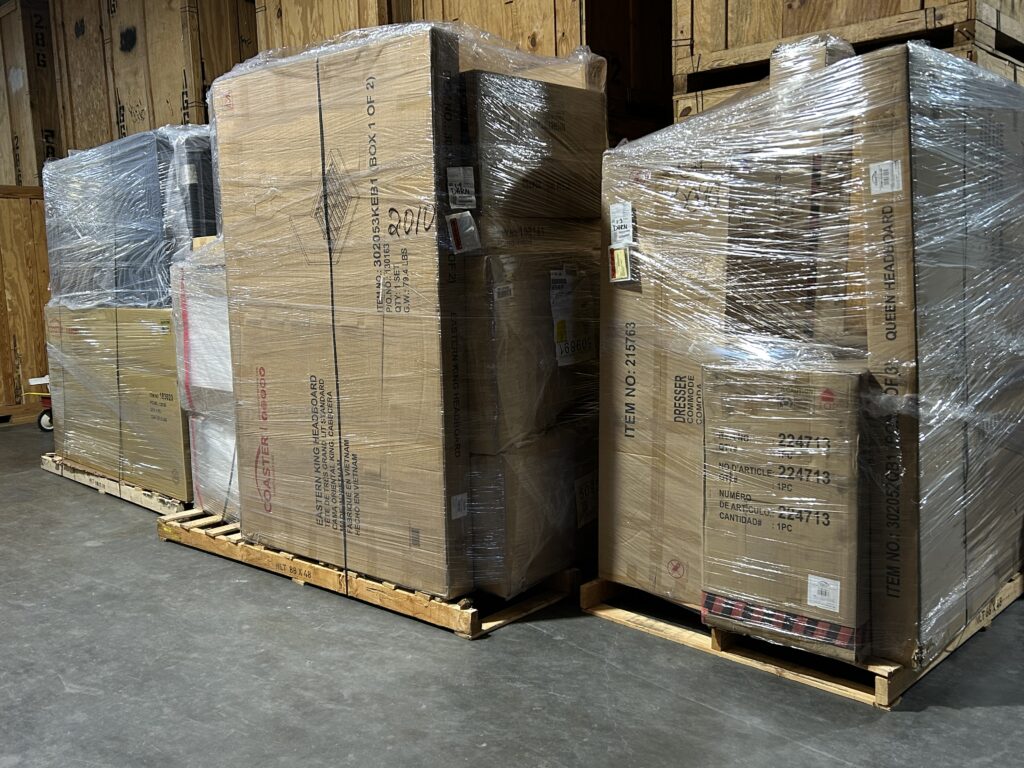
Once an appliance is prepped correctly, the storage environment itself becomes the next factor. Humidity swings can cause condensation inside sealed appliances even after they have been dried and cleaned, which is part of why our storage facility monitors humidity continuously rather than leaving it to chance.
If you are planning to store appliances as part of an upcoming move, our storage services are built around exactly this kind of item, with the climate control and security in place to keep them in the same condition they were in the day you packed them.
Our storage FAQ page covers a few more specifics if you want the full picture before booking.
How Long Appliances Can Safely Stay in Storage
Properly prepped appliances can generally sit in storage for months without an issue. That said, the environment has to stay climate-controlled, and the appliance needs to be cleaned and dried before it goes in. Those two things matter more than people think.
Problems tend to show up when an appliance sits somewhere with fluctuating temperature or humidity for a long stretch. That is just when condensation and corrosion have the best chance to develop. It is a bit like leaving something out and hoping for the best.
If you know your appliance will be stored for a while, check in on it periodically. Packing fragile items like appliances the right way from the start, and not just assuming they will be fine untouched, is really what keeps them in good shape for the long haul.
Signs an Appliance Was Not Prepped Correctly
When you take an appliance out of storage, a few signs will tell you quickly whether the prep work held up.
- A musty smell inside a refrigerator or washing machine usually means moisture got trapped before it was sealed up.
- Rust spots on metal components point to humidity exposure.
- A cord that feels stiff or cracked may have been left coiled too tightly or exposed to temperature swings.
Catching these signs early, before you plug something back in, can save you from a bigger repair down the line.
